What you can expect
"A city that belongs to just one man is no true city"
Sophocles
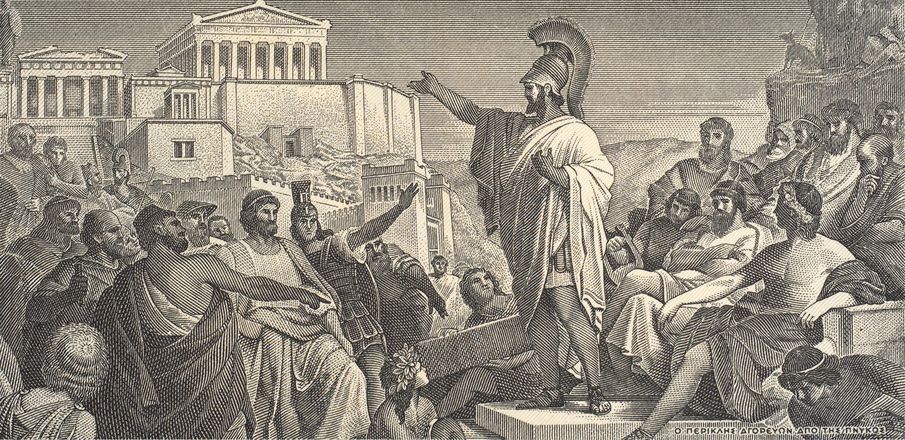
The ancient Greeks were the first in the world to invent and establish democracy as a form of government, with the Athenian democracy being the most celebrated of all. However, the Greek word demokratia is not without ambiguity. It literally means 'people-power'. But who were the people? And what power did they hold? What purposes did this 'democracy' serve?
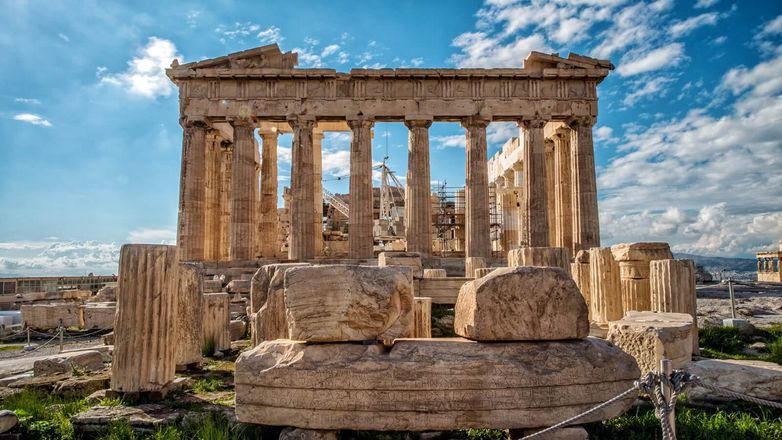
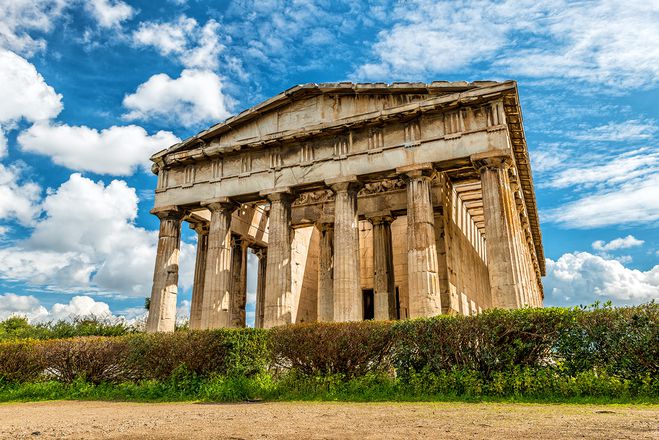
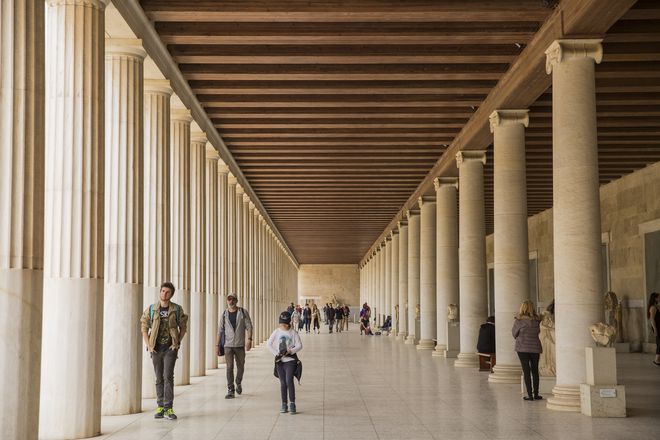
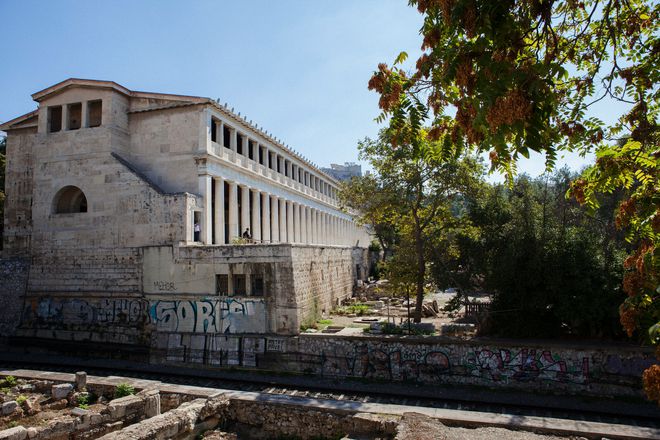
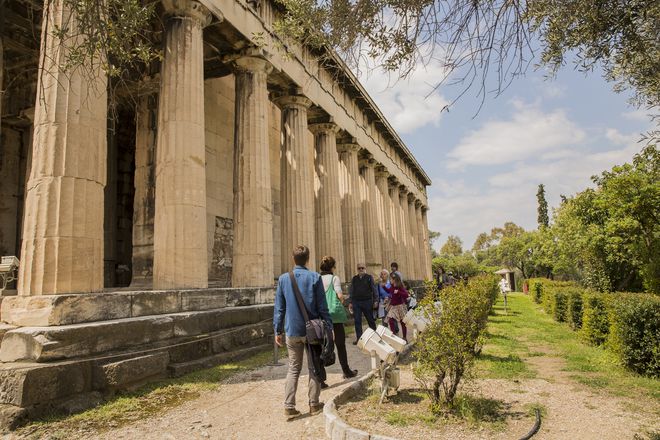
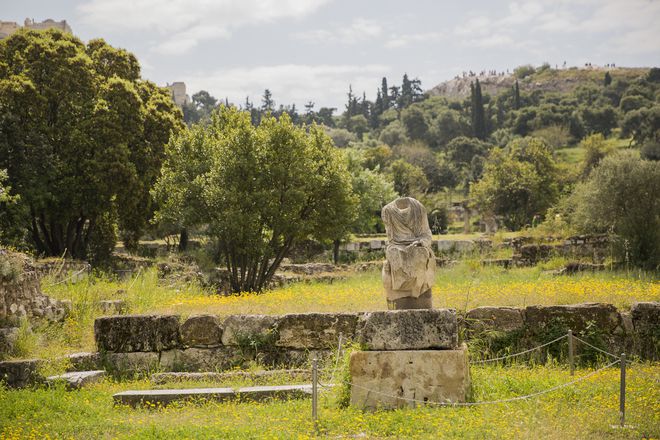
In this historical tour of Athens, you will visit the Acropolis, a monument to ancient Athenians’ political propaganda, followed by a visit to the Ancient Agora, the heart of ancient Athens, its political, commercial and administrative center.
You will learn all about the historical personalities and facts that led to the birth of democracy in Athens, its key values and principles, the purposes it served, as well as why it was considered a radical political system at the time.
During your tour we will also shed light on the similarities and the differences between ancient and contemporary democracy: What are the structural elements of the democratic regime that still serve our society successfully to the present day and what elements of it often end up failing? What can we learn from the past in order to improve the future?
In the end, you will see democracy under a new light, as the greatest political experiment of all time: one that started more than 2,600 years ago and keeps evolving today!
What is the Acropolis & Agora: The Rise & Fall of Democracy Tour?
The Acropolis & Agora: The Rise & Fall of Democracy Tour is a guided walking tour that explores how democracy was born, practiced, and ultimately challenged in ancient Athens. Through visits to the Acropolis and the Ancient Agora, the tour explains the political ideas, institutions, and social realities that shaped the world’s first democracy.
Who is this tour best suited for?
This tour is best suited for travelers who want a deeper understanding of ancient Greek democracy, politics, and civic life. It is ideal for first-time visitors, history and philosophy enthusiasts, students, educators, and curious travelers who want more than a monument-focused visit
How long does the Acropolis & Agora: The Rise & Fall of Democracy Tour last?
The tour lasts approximately 3 hours, offering an in-depth yet well-paced exploration of both the Acropolis and the Ancient Agora.
Which sites are visited during the tour?
The tour includes guided visits to the Acropolis and the Ancient Agora, the two most important locations for understanding ancient Athenian democracy, political power, and civic participation.
Are entrance tickets included in the tour?
The tour is offered with or without entrance tickets. You may choose to add entrance tickets as an optional add-on during the booking process.
Which tickets do I need to buy for this tour?
You need entrance tickets for the Acropolis and the Ancient Agora.
How much do the entrance tickets cost?
The combined cost for the Acropolis and Ancient Agora tickets is approximately €55 per adult, depending on the season and eligibility for reduced or free entry.
Are skip-the-line or combined tickets available for the Acropolis?
There are no official skip-the-line tickets or official combined tickets for the Acropolis.
However, pre-booking your ticket in advance secures your entry time slot and helps you avoid waiting at the ticket booths.
Will the guide accompany us inside the archaeological sites?
Yes. A licensed guide accompanies the group for the entire duration of the tour, including inside all archaeological sites.
How much walking is involved during the tour?
The tour involves approximately one hour of walking in total, with frequent stops for explanations, discussion, and rest.
Is the terrain steep, and is this tour suitable for people with mobility issues?
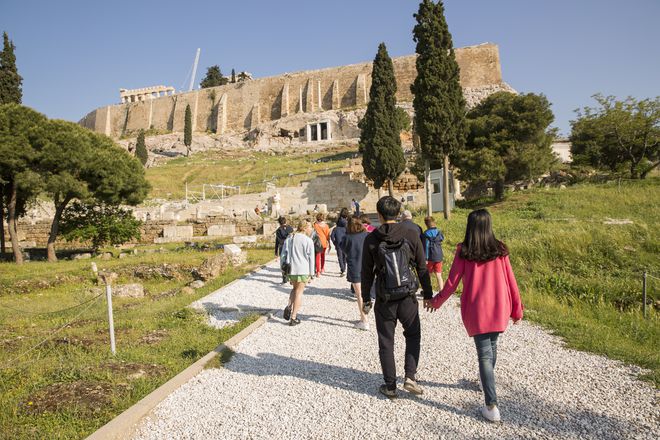
Parts of the Acropolis terrain are steep and uneven, and the tour involves extended walking and standing. For this reason, the tour is not recommended for people with mobility issues. The walking pace is adjusted to the majority of the group.
Is this tour suitable for children?
Yes. The tour is suitable for older children, especially those with an interest in history, politics, or ancient civilizations. Parents should consider the tour’s themes and duration when deciding if it is appropriate for younger children.
How many people are in each group?
Group size is intentionally kept small, with a maximum of 15 participants, to allow for discussion, interaction, and a more engaging experience.
What makes this tour different from a standard Acropolis tour?
Unlike standard Acropolis tours that focus mainly on monuments and architecture, this tour centers on ideas—democracy, power, citizenship, and political conflict—using the Acropolis and the Ancient Agora as real-world stages where these ideas were developed and tested.